admin
admin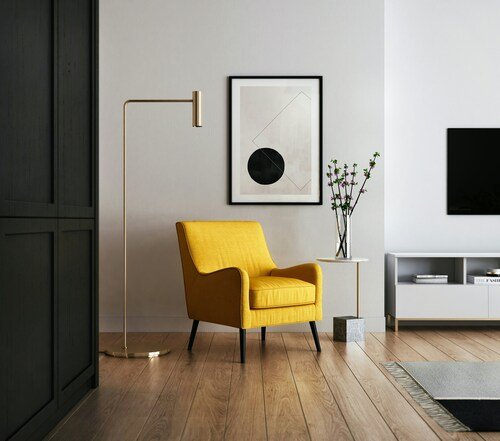
Introduction to Color Psychology
Color psychology is the study of how colors influence human behavior, emotions, and perceptions. This field of psychology investigates the impact of color on mood and how it can evoke specific emotional responses. Each hue carries its own psychological significance, affecting individuals differently based on personal experiences, cultural backgrounds, and even societal norms. Understanding color psychology is particularly significant in the realm of interior design, where the choice of color can transform a space and influence the people who inhabit it.
The genesis of color perception begins with light; various wavelengths of light create distinct colors that our eyes perceive through specialized cells. This perception is not merely a scientific phenomenon but also a psychological experience, as colors are imbued with meaning shaped by context and individual interpretation. For instance, warm colors such as reds and oranges are often associated with energy and passion, while cool tones like blues and greens evoke tranquility and calmness.
The importance of color psychology in interior design cannot be overstated. Designers often utilize color to communicate messages and set the tone of a space, making it essential to consider how a particular color scheme will affect the user’s mood and behavior. A well-chosen color can enhance productivity in a workspace, induce relaxation in a bedroom, or create a lively atmosphere in a social area. Therefore, understanding the psychological effects of color can significantly enhance the functionality and aesthetic appeal of interior environments.
The Emotional Effects of Different Colors
Color plays a significant role in shaping our emotional experiences. Different hues can evoke various feelings and set the tone of a space. Understanding the emotional effects of colors is essential in interior design, as the right choice can enhance well-being and create a desired ambiance.
Red, often associated with passion and energy, can create a warm, stimulating environment. It is known to increase heart rates and promote enthusiasm. However, excessive red can lead to feelings of agitation or aggressiveness if not balanced with neutral tones. It works best in spaces intended for social interactions or where activity is encouraged, like dining rooms or gyms.
In contrast, blue is known for its calming effects. Often linked to tranquility and stability, shades of blue can bring a sense of serenity to a room. Light blues are typically associated with relaxation, making them ideal for bedrooms and meditation spaces. Darker blues, while still soothing, can create a more sophisticated and serious atmosphere, suitable for home offices or libraries.
Green strikes a balance between warmth and coolness. It symbolizes nature and health, promoting feelings of rejuvenation. Incorporating green into interior design can foster a refreshing and harmonious environment. Lighter greens can invigorate a space, while darker shades are grounding and can create a strong sense of connection to the natural world.
Yellow, the color of sunshine, often influences emotions positively, encouraging happiness and optimism. Its bright and vibrant shades can energize a space, making it ideal for kitchens or playrooms. However, too much yellow can be overwhelming, potentially inducing feelings of anxiety when overused.In conclusion, understanding how different colors impact emotions can significantly enhance the design and enjoyment of a space, tailoring atmospheres to serve various emotional and functional needs.
Practical Applications in Interior Design
Understanding color psychology plays a crucial role in the field of interior design. By recognizing the psychological effects that different colors can have on individuals, designers can create environments tailored to evoke specific emotions or responses. For example, when designing a bedroom intended for relaxation, soft, calming colors such as pale blues and greens are often recommended. These hues have been linked to tranquility and serenity, aiding in stress reduction and sleep enhancement.
Conversely, workspaces benefit from colors that stimulate energy and productivity. Bright colors like yellow or orange can increase creativity and enthusiasm, making them suitable choices for home offices or creative studios. Incorporating shades that invigorate and inspire can lead to a more dynamic working environment, enhancing overall performance and satisfaction.
In living areas where social interaction is key, warm and inviting colors such as earthy tones or muted reds can create a sense of comfort and belonging. These colors foster an atmosphere conducive to gathering, conversation, and shared experiences. Additionally, utilizing accents of contrasting colors can highlight particular areas within these spaces, drawing attention and inviting exploration.
Development of cohesive color schemes is essential to achieving a balanced interior. Designers should consider the psychological implications of color combinations, adhering to principles such as the color wheel to create harmony. For instance, analogous colors can offer a soothing effect, while complementary colors can add vibrancy and interest. Paying careful attention to these strategies allows designers to effectively harness the emotional power of color, thereby ensuring spaces not only look aesthetically pleasing but also fulfill their intended emotional objectives.
Conclusion: The Future of Color in Interior Spaces
As we conclude our exploration of the influence of color psychology in interior design, it is essential to recap the significant observations highlighted throughout this discussion. The profound effects that color choices have on mood, behavior, and overall well-being cannot be overstated. Various studies corroborate that specific colors can evoke particular feelings, either heightening creativity or instilling calmness, thereby directly impacting mental health.
Looking ahead, several emerging trends are shaping the future of color use in interior spaces. One notable trend is the increasing preference for biophilic design, which emphasizes the connection between nature and indoor environments. This trend is steering designers toward earthy and organic palettes, featuring greens, browns, and soft neutrals, aimed at enhancing residents’ well-being. Additionally, bold accent colors are making a resurgence as homeowners seek to introduce vibrancy and personality into their spaces.
Another significant advancement is the integration of technology in color selection. With the advent of virtual reality (VR) and augmented reality (AR), individuals can visualize how different color schemes influence their spaces before committing to a choice. This technology encourages more thoughtful and informed decisions, aligning with the growing awareness of color’s psychological impact.
Furthermore, as societies adapt to the more diverse cultural perceptions of color, there is a movement towards more inclusive design practices. Understanding that color meanings may differ markedly across cultures allows designers to create environments that resonate with a broader audience, fostering a sense of belonging and comfort.
In essence, the consideration of color in interior design remains a critical element that harmonizes aesthetics and functionality. As we advance, being intentional with color choices will enhance the efficacy of interior spaces, promoting not only beauty but also well-being and mental health.